

Good pain relief is not simply about making discomfort disappear for a few hours. The best results come from understanding why pain is happening, what is keeping it active, and which techniques can reduce strain while helping the body move better again. That is why effective pain management usually combines hands-on care, targeted exercise, pacing, posture awareness, and a clear plan for recovery rather than relying on a single treatment in isolation.
Why effective pain management starts with the cause
Pain can come from many sources: a recent injury, long-standing muscle tension, joint irritation, postural overload, repetitive work demands, sports strain, or reduced mobility after inactivity. Even when symptoms feel similar, the best treatment can differ greatly depending on whether the issue is acute, recurrent, or persistent.
A strong clinical approach begins with assessment. That means looking at movement patterns, strength deficits, joint mobility, aggravating activities, previous injuries, work and lifestyle habits, and the timing of symptoms. Pain in the neck, lower back, shoulder, or knee may not only be about the area that hurts. Weakness, stiffness, poor load tolerance, or compensation elsewhere in the body often play a role.
This is where physiotherapy stands out. Instead of focusing only on short-term relief, it aims to reduce symptoms while restoring function. For people looking for structured pain management, that combination of symptom relief and long-term correction is often what makes the biggest difference.
The most effective techniques for pain relief
The best pain relief plans are usually layered. One technique may calm symptoms, while another improves mobility, and another builds resilience so pain is less likely to return. When used appropriately, the following methods can work especially well together.
| Technique | What it helps with | Best suited for |
|---|---|---|
| Manual therapy | Reduces stiffness, eases soft tissue tension, improves joint movement | Neck pain, back pain, shoulder restriction, postural tension |
| Therapeutic exercise | Builds strength, control, endurance, and confidence in movement | Recurrent pain, rehabilitation, return to activity |
| Mobility training | Improves range of motion and movement quality | Stiff joints, sedentary lifestyles, recovery after flare-ups |
| Postural and ergonomic guidance | Reduces daily strain and repeated aggravation | Desk workers, drivers, caregivers, repetitive-task roles |
| Load management | Helps patients pace activity without excessive rest or overexertion | Sports injuries, chronic pain, return-to-work recovery |
Manual therapy
Hands-on treatment can be highly effective when pain is linked to muscle guarding, soft tissue tightness, joint stiffness, or restricted movement. Techniques may include soft tissue release, joint mobilization, trigger point work, and guided stretching. While manual therapy is not the whole answer, it can create a useful window of relief that makes movement and exercise easier.
Targeted exercise rehabilitation
Exercise is one of the most important tools in modern pain management. The key is specificity. Generic routines are often less effective than exercises chosen for the person, the condition, and the current stage of recovery. Early rehabilitation may focus on gentle activation and mobility; later stages usually progress toward strength, control, balance, and return to normal activity.
Movement retraining
People in pain often move differently without realizing it. They may avoid loading one side, tense the shoulders during simple tasks, brace the back too much, or use the wrong muscles during exercise. Movement retraining helps restore efficient patterns so the body is not repeatedly irritated by the same habits.
Why movement matters as much as symptom relief
One of the most common mistakes in pain relief is stopping all activity for too long. Rest can be useful in the very early stage of an injury, but prolonged inactivity often leads to more stiffness, reduced strength, lower tolerance to load, and greater sensitivity when movement resumes.
Well-guided activity helps the body recover. It supports circulation, tissue resilience, joint lubrication, coordination, and confidence. The right amount of movement also reduces the fear that often develops after repeated pain episodes. Instead of seeing pain as a sign to avoid everything, patients learn how to distinguish between acceptable discomfort, overload, and true aggravation.
This is especially relevant for common conditions such as:
- Lower back pain that worsens with prolonged sitting or sudden lifting
- Neck and shoulder pain linked to desk work, stress, or repetitive positions
- Knee pain affected by poor mechanics, weakness, or overuse
- Sports-related strain where return to training must be progressive
- Persistent pain that improves when activity becomes better structured rather than completely avoided
In practice, movement should be introduced in a controlled and realistic way. That may mean shorter walks, modified gym work, lighter resistance, or simple home exercises done consistently. Sustainable progress usually beats intensity.
Building a practical pain management plan
The best pain relief plans are clear enough to follow in daily life. They do not depend on perfect conditions, endless treatment sessions, or unrealistic routines. A practical plan usually combines treatment in clinic with habits that support recovery between appointments.
- Identify triggers. Notice which positions, loads, times of day, or activities make symptoms worse.
- Reduce unnecessary strain. Adjust work setup, lifting technique, sleep position, or exercise form where needed.
- Restore movement. Use mobility drills, stretching, and guided exercise to improve tolerance.
- Progress gradually. Increase activity step by step instead of rushing back into full intensity.
- Track patterns. Improvement is not always linear, so it helps to watch weekly trends rather than day-to-day fluctuation.
A simple recovery checklist can also help patients stay consistent:
- Are you moving regularly during the day instead of staying in one position for hours?
- Are your exercises challenging enough to help, but not so intense that they create a flare-up?
- Are you sleeping and recovering well enough to support healing?
- Are daily tasks being performed with less tension and better control?
- Are you improving function, not just chasing temporary relief?
A look at Co Recare’s approach
What distinguishes a thoughtful physiotherapy clinic is not one signature technique but the quality of its reasoning. At Co Recare Physio: Expert Physiotherapy Care Dubai – Umm Hurair 2, DHCC, the emphasis is naturally placed on individualized assessment, hands-on treatment where appropriate, and exercise-based recovery that fits the patient rather than forcing the patient into a standard template.
That approach matters because pain is personal. Two people with the same area of discomfort may have very different drivers behind their symptoms. One may need mobility work and posture correction; another may need strengthening and graded return to sport; another may need help breaking a cycle of flare-ups caused by inconsistent activity and overload.
A balanced physiotherapy model usually includes:
- Clinical assessment to understand the source and behavior of symptoms
- Hands-on techniques to reduce stiffness and support early relief
- Tailored exercise prescription to improve resilience and function
- Education so patients understand what helps and what delays recovery
- Progressive planning for work, sport, daily activity, and long-term prevention
For patients in Dubai seeking expert support, this kind of measured, functional care is often more valuable than chasing short-lived relief alone. The goal is not simply to feel better on the treatment table; it is to move better, cope better, and return to normal life with more confidence and less limitation.
Conclusion: the best pain management is active, precise, and personal
The most effective pain relief rarely comes from one method used in isolation. Lasting progress usually depends on accurate assessment, targeted treatment, better movement, and a recovery plan that matches the person’s needs and daily demands. Manual therapy can help, exercise is essential, education reduces setbacks, and consistency is what turns early improvement into durable results.
That is the real value of modern pain management: it treats pain seriously without making the patient passive. When care is personalized and function stays at the center, people are far more likely to regain comfort, restore mobility, and return to the activities that matter most.
——————-
Article posted by: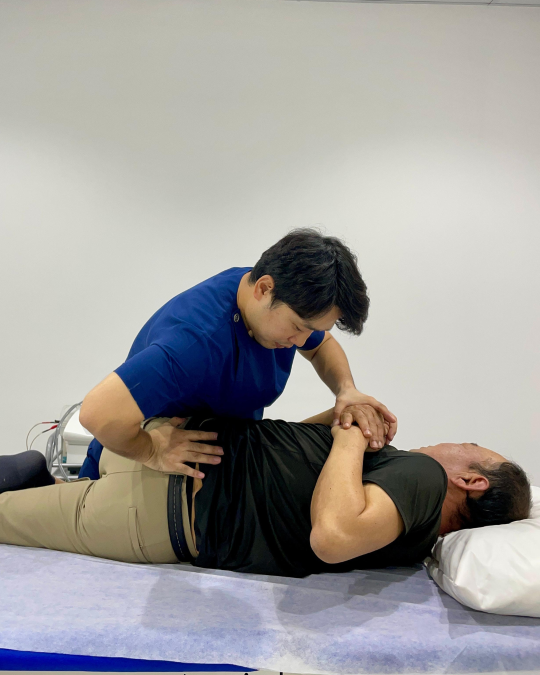
Co Recare Physio: Expert Physiotherapy Care Dubai – Umm Hurair 2, DHCC
https://www.co-recarephysio.com/
0586718321
Dubai healthcare city – Dubai, United Arab Emirates
Experience specialized physiotherapy care at Co Recare Physio in Dubai Healthcare City. Book today for tailored treatments.

